Week 2 Prompt
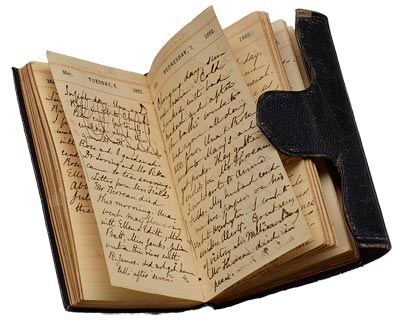
Using a variety of reasons, journal keepers strive to document their lives, feelings, problems, moods, and relationships in order to reflect on connections between actions, perspectives, and implications. Traditional self-narrative conventions dictate that writers write a journal to reflect on the world and their place in it, but people think about this in different ways.
PROMPT DIRECTIONS: In the presentation and ppt this week, I show four diarists who thought about diaries differently. Write a creative post on whether you think a diary is or should be viewed as unripe fruit, a roomy piece of luggage, a blood stained record, or a soiled napkin. Any other imagery suggestions? Feel free to go a lot of different directions with this.
Please post your own reflection on the community blog by Friday, 11:55 p.m. Label your entry Week 2: add your own title. Make sure to cite anything you borrow or use in your post. Feel free to quote and paraphrase but give attribution when needed.
Respond to one peer and provide feedback on their posts with regard to content, voice, shortcomings, effectiveness, or your own experiences.

Comments
Post a Comment